
INDUSTRY INSIGHTS
Custom Silicone Product Development: From Idea to Production
September 15, 2025
Bringing a custom silicone product to market is more than choosing a color and sending a reference image. A strong development process connects the product brief, intended use, material requirements, tooling plan, and production checks from the beginning.
The most useful product brief answers a few simple questions: Who will use the product? What problem should it solve? Which conditions will it face in daily use? And which details are essential to the brand, such as size, softness, color, surface texture, or packaging?
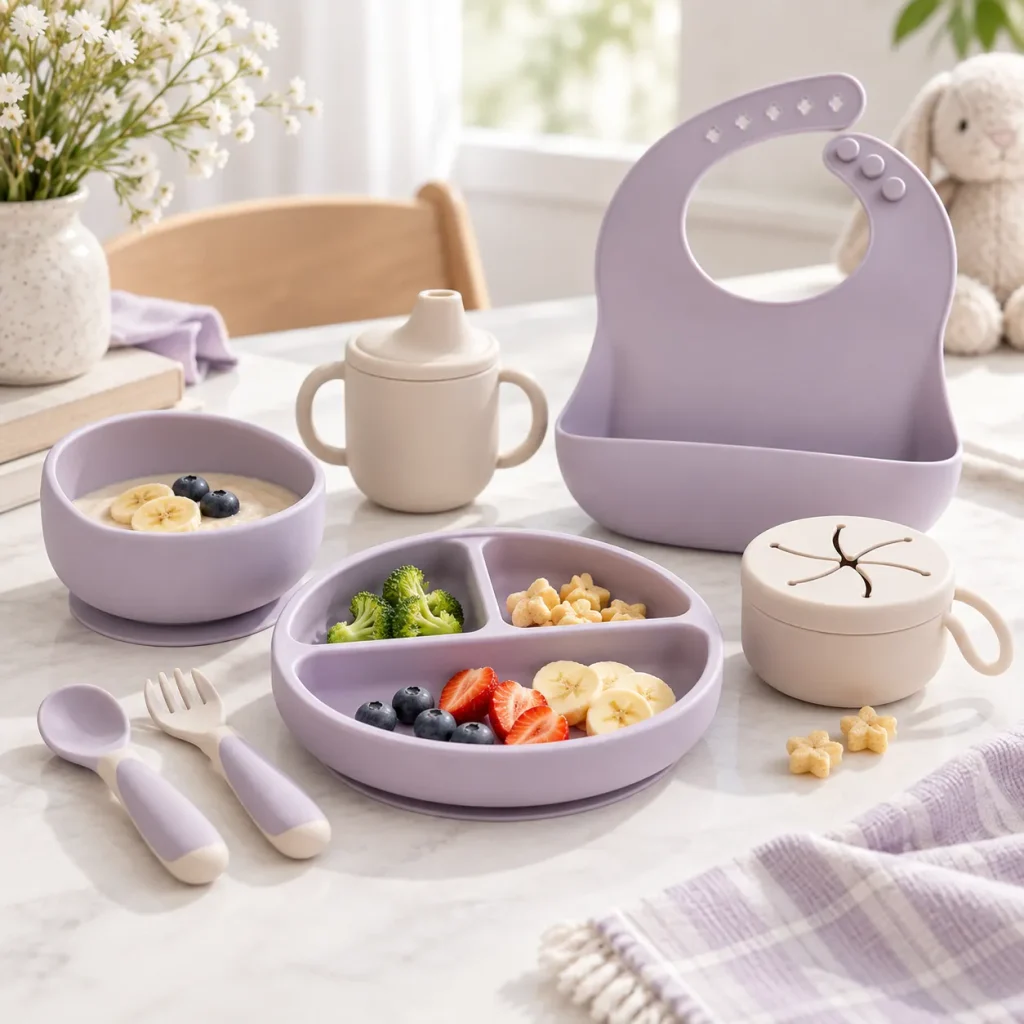
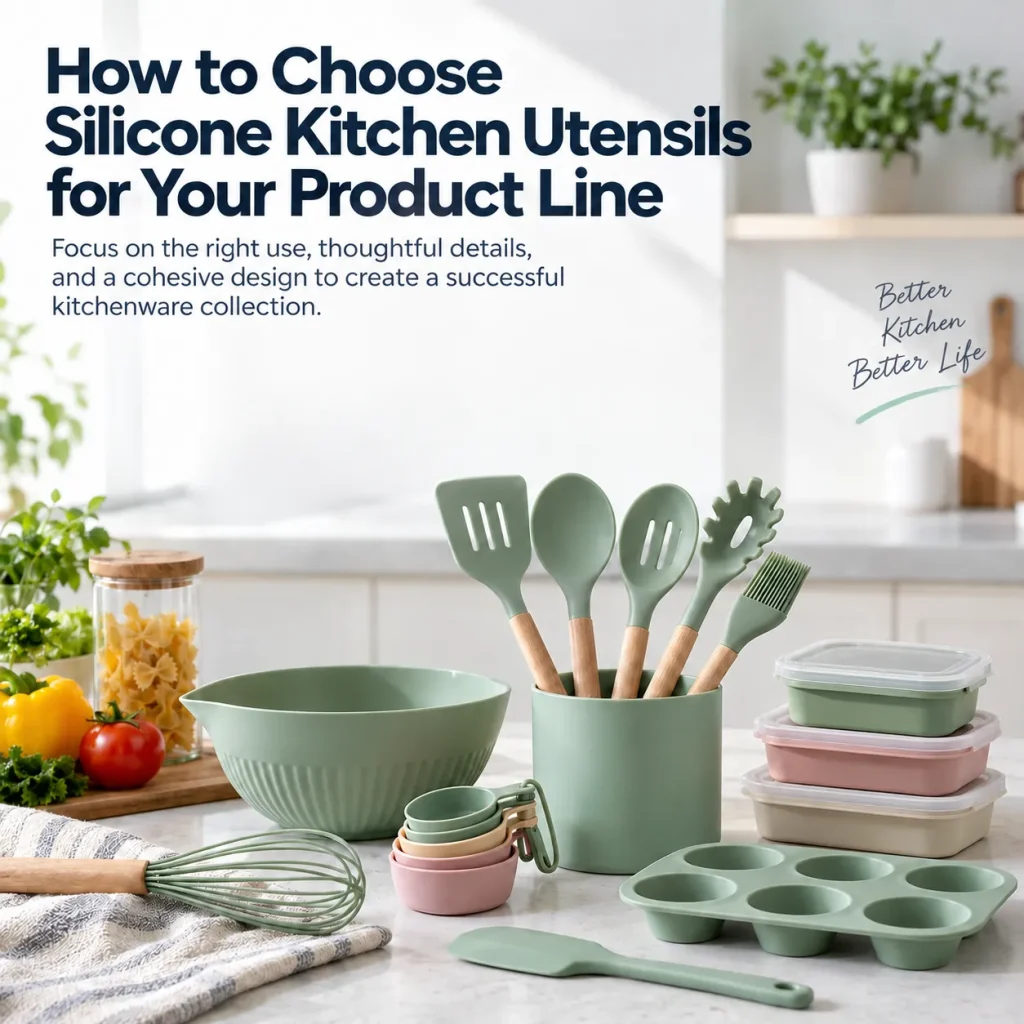
A silicone baking accessory, a kitchen utensil, and a baby feeding product may all use silicone, but their functional requirements can be very different. Defining the intended use first gives the development team a clearer basis for discussing material, wall thickness, structure, and finishing.
Material selection should be reviewed together with product design. Geometry, flexibility, grip, temperature exposure, cleaning expectations, and packaging all influence the final specification. Before requesting a quotation, prepare reference images, target dimensions, preferred colors, expected order quantity, target market, and any packaging requirements.
Prototypes help teams review usability, proportions, product feel, and visual direction before committing to production tooling. Clear, specific feedback on samples keeps revisions focused and helps move a project forward with greater confidence.
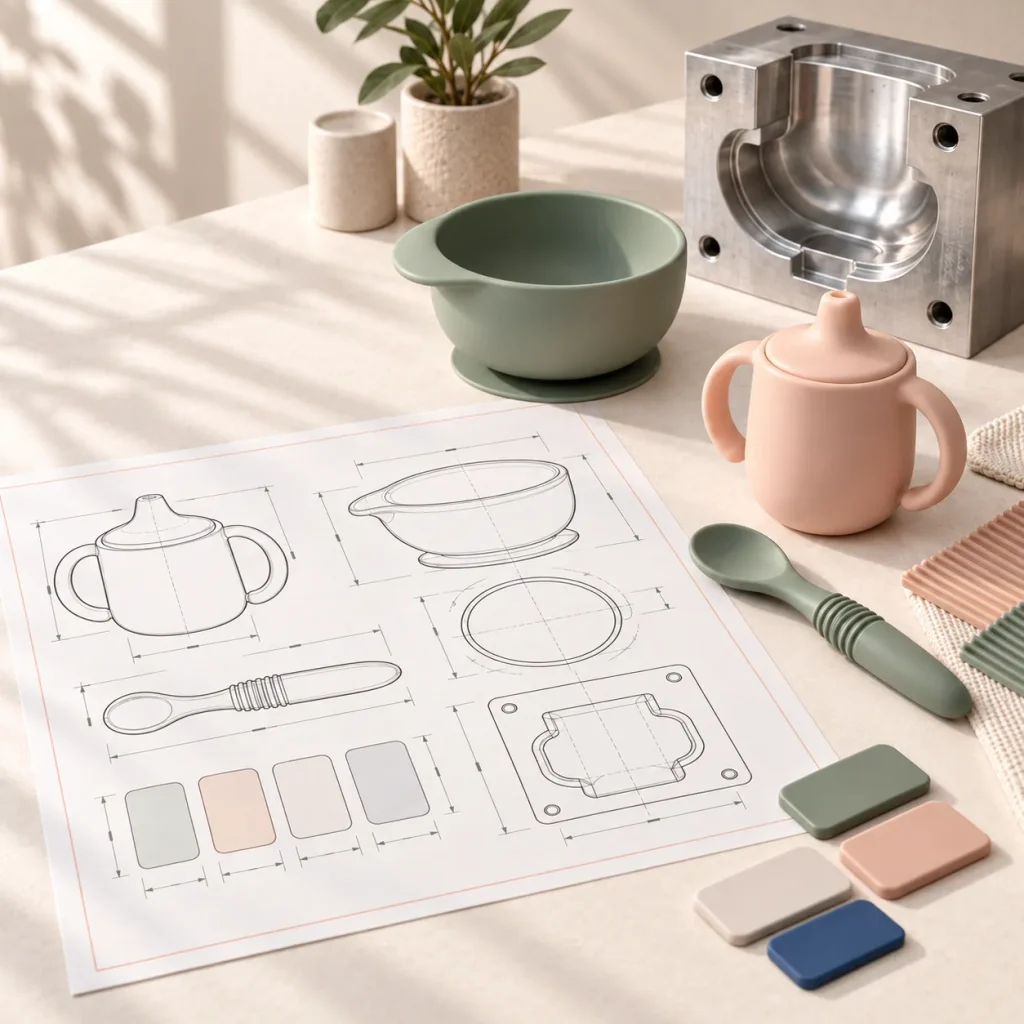
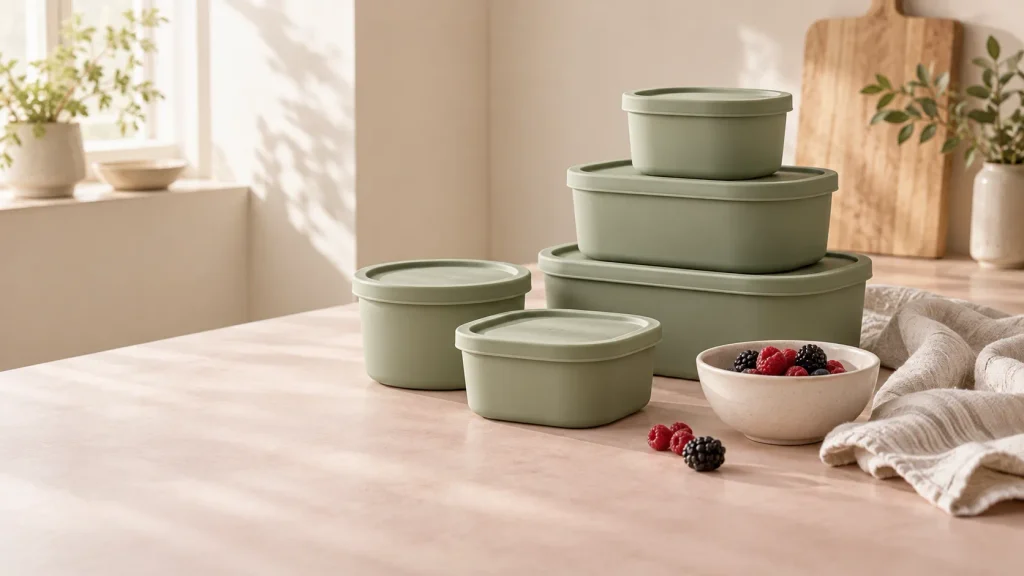
Better materials create a kinder, healthier home for everyone.
We see silicone not just as a material, but as a way to bring small moments of care into everyday routines. Our goal is to create products that families can trust — today and for a brighter tomorrow.
— Shengke Product Team